

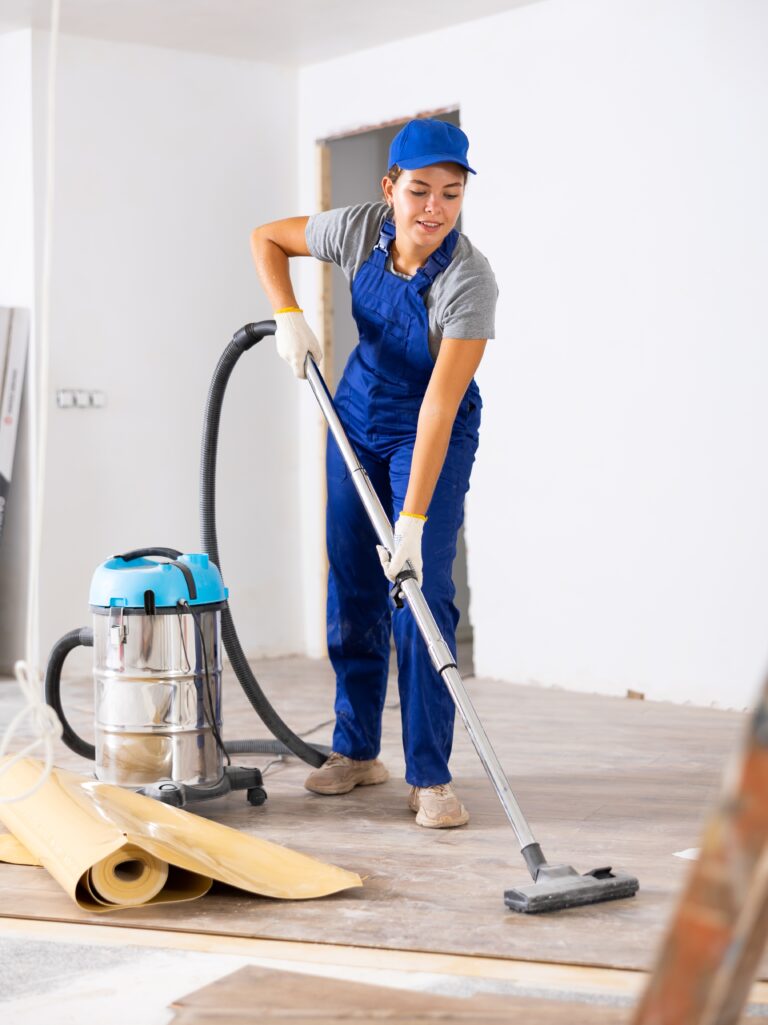
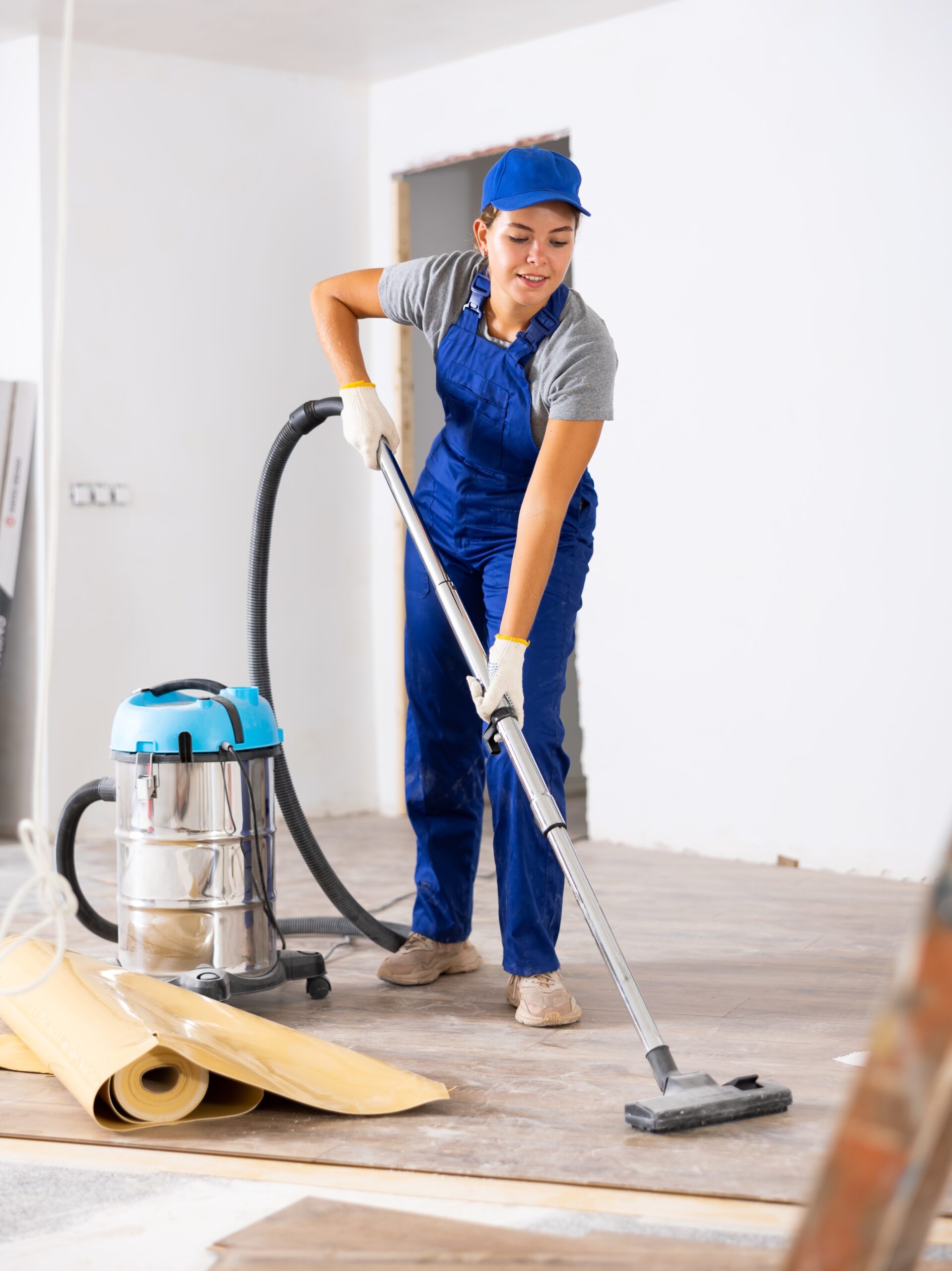
Post-renovation cleaning in commercial environments is more than just tidying up. It’s about restoring a safe, professional, and healthy space for employees, customers, and visitors. In this guide, we’ll walk through the key challenges, cleaning strategies, and best practices for commercial post-renovation cleanup.
Why Post Renovation Cleaning Is Essential in Commercial Spaces
Renovation projects often leave behind fine dust, construction residue, and airborne particles that can affect indoor air quality and pose health risks. In commercial settings, these issues are amplified due to:
- Larger square footage
- Higher foot traffic
- Regulatory standards for cleanliness and safety
- The need for a polished, professional appearance
Whether you’re preparing for a grand reopening or transitioning back to regular operations, a thorough post-renovation clean ensures your space is safe, functional, and visually appealing.
Common Challenges in Commercial Post Renovation Cleaning
Construction Dust
Drywall dust, sawdust, and cement particles settle on every surface—walls, ceilings, floors, and even inside vents. This dust can linger in the air for days and cause respiratory irritation if not properly removed.
Solution: Use HEPA-filter vacuums, microfiber cloths, and air purifiers to capture and eliminate fine particles.
Debris and Waste
Renovation often leaves behind scraps, packaging, nails, and other debris. These materials can be hazardous and must be removed before the space is safe to occupy.
Solution: Conduct a full sweep of the area, including storage rooms and utility spaces, and dispose of all leftover materials responsibly.
Surface Contamination
Paint splatters, adhesive residue, and fingerprints are common after remodeling. These blemishes can damage surfaces and detract from the professional look of your space.
Solution: Use appropriate cleaning agents for each surface type—glass, metal, wood, tile—and avoid abrasive materials that could cause damage.
Air Quality Issues
Renovation dust can infiltrate HVAC systems and linger in the air, affecting employee health and comfort.
Solution: Clean air vents, replace filters, and consider using air scrubbers to remove airborne contaminants.
Areas That Require Special Attention
Post-renovation cleaning should be comprehensive. Key areas include:
- Reception and lobby areas – First impressions matter
- Conference rooms and offices – Dust-free workspaces boost productivity
- Restrooms and break rooms – Must be sanitized and odor-free
- Storage and utility rooms – Often overlooked but prone to dust buildup
- Ceilings, walls, and baseboards – Dust settles in hard-to-reach places
- Windows and glass partitions – Require streak-free cleaning
Best Practices for Commercial Post Renovation Cleaning
Use Professional-Grade Equipment
Commercial spaces require industrial-strength tools to handle the volume and complexity of post-construction dust. HEPA vacuums, microfiber mops, and air purifiers are essential.
Follow a Cleaning Checklist
A structured approach ensures no area is missed. Include tasks like:
- Dusting all surfaces
- Cleaning walls and ceilings
- Vacuuming and mopping floors
- Sanitizing high-touch areas
- Cleaning HVAC vents and replacing filters
Schedule Cleaning Strategically
Plan cleaning after all construction work is complete and before furniture or equipment is moved back in. This allows for unobstructed access and a more efficient process.
DIY vs. Professional Cleaning Services
While some businesses may consider handling post-renovation cleaning in-house, hiring professionals offers several advantages:
| DIY Approach | Professional Cleaning |
|---|---|
| Limited tools and experience | Specialized equipment and trained staff |
| Time-consuming | Efficient and thorough |
| Risk of missed areas | Comprehensive coverage |
| May not meet health standards | Compliant with OSHA and industry protocols |
Professional cleaners understand how to remove construction dust safely, clean delicate surfaces, and prepare your space for immediate use.
How Long Does Construction Dust Take to Settle?
Construction dust can remain airborne for up to 72 hours, depending on ventilation. During this time, it can settle repeatedly on surfaces, making multi-stage cleaning necessary. Air filtration and proper ventilation are key to speeding up this process.
Preparing Your Business for Post Renovation Cleaning
Before cleaning begins:
- Ensure all construction work is complete
- Remove tools, equipment, and large debris
- Confirm utilities are operational
- Communicate any sensitive areas or materials to the cleaning team
This preparation helps streamline the cleaning process and ensures better results.
To request a quote from Total Maintenance Services, click here.
