

Pathogens are microorganisms such as bacteria, viruses, fungi, and parasites, that cause infectious diseases. Understanding how these harmful agents spread is essential for controlling outbreaks, protecting public health, and maintaining safe environments in healthcare, workplaces, and homes.
In this guide, we’ll explore the four main ways diseases are transmitted, the five types of pathogens, and how you can reduce the risk of infection.
What Is a Pathogen?
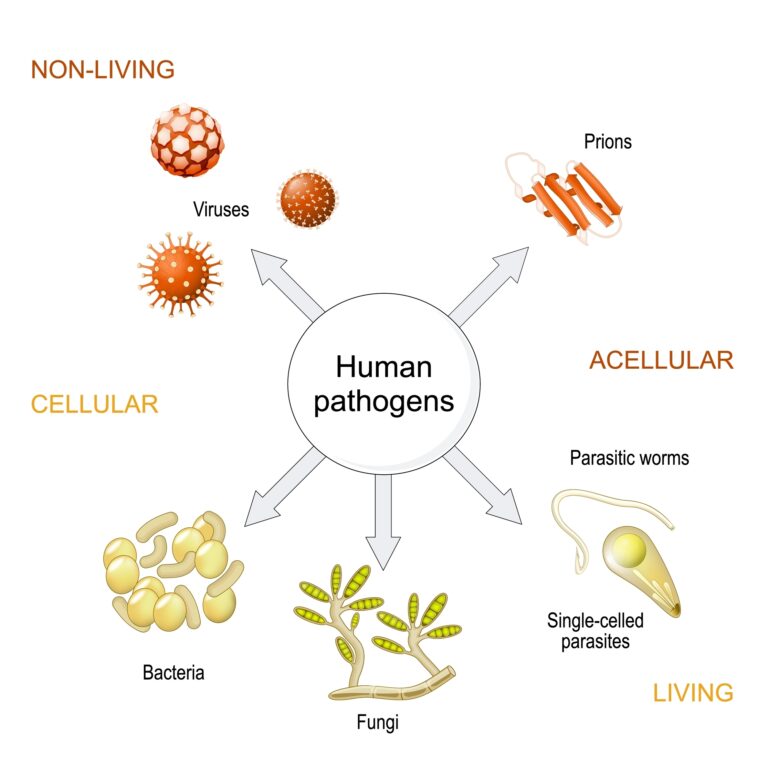
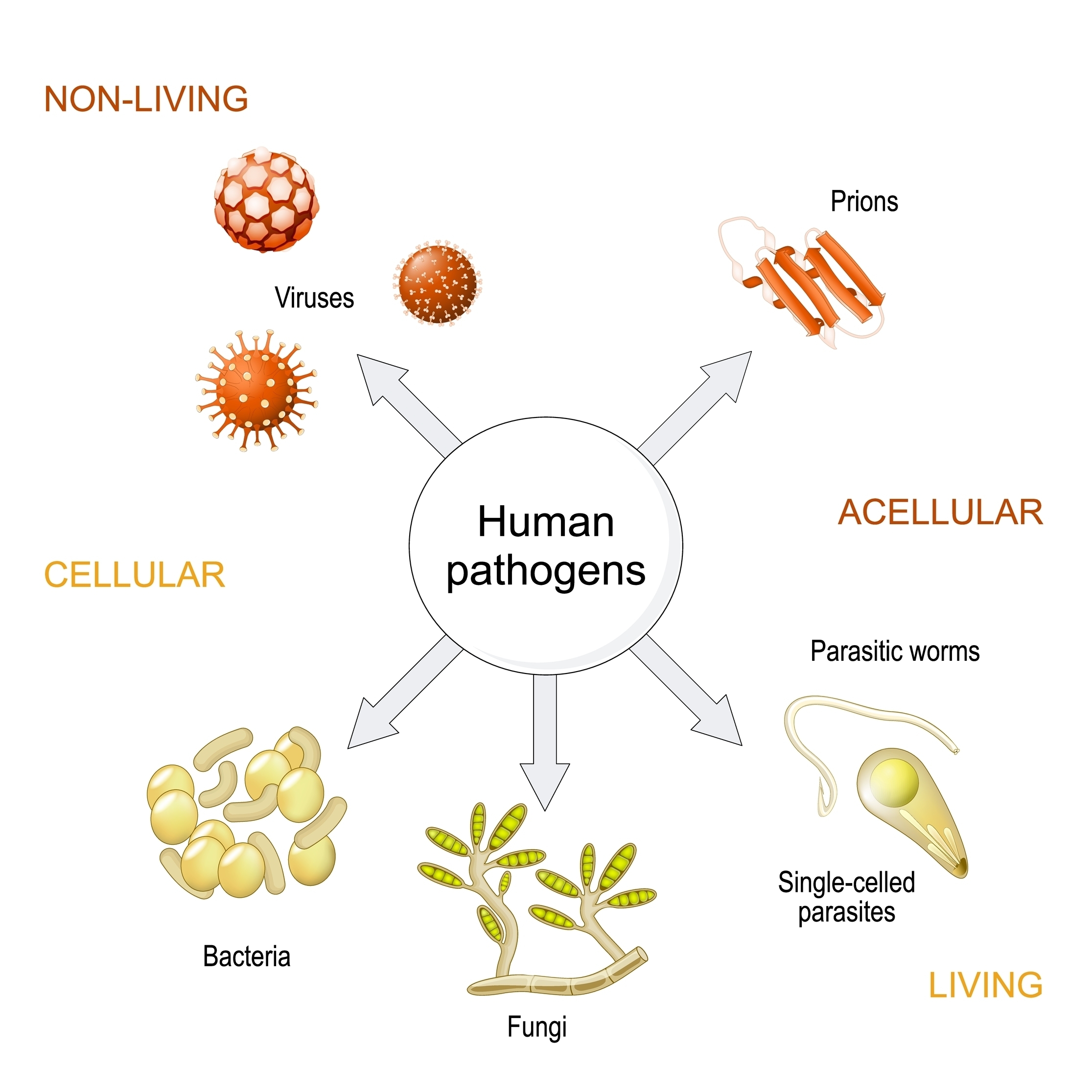
A pathogen is any organism that causes disease. These can include:
- Bacteria: Single-celled organisms that can multiply rapidly.
- Viruses: Tiny infectious agents that require a host to reproduce.
- Fungi: Includes molds and yeasts that can infect skin, lungs, and other areas.
- Parasites: Organisms that live on or in a host and cause harm.
- Prions: Misfolded proteins that can affect brain function (less common but serious).
Each type of pathogen has unique characteristics and transmission methods, but all share the ability to cause illness when they enter the body.
The Four Main Types of Disease Transmission
Pathogens can spread through several routes. The four primary modes of transmission are:
1. Direct Contact
This occurs when an infected person or contaminated surface comes into direct physical contact with another person. Examples include:
- Skin-to-skin contact
- Kissing or sexual contact
- Contact with bodily fluids (e.g., blood, saliva)
Bloodborne pathogens, such as HIV and hepatitis B, are commonly transmitted this way. While sweat alone is not considered a transmission route for bloodborne pathogens, it can carry other microorganisms if mixed with blood or other fluids.
2. Indirect Contact
Pathogens can also spread via contaminated objects or surfaces. This includes:
- Touching doorknobs, medical equipment, or shared tools
- Contact with contaminated clothing or linens
This method is especially common in healthcare settings, where infection control protocols are critical.
3. Droplet Transmission
When an infected person coughs, sneezes, or talks, respiratory droplets can carry pathogens through the air. These droplets typically travel short distances and can land on surfaces or be inhaled by others.
Diseases like influenza, COVID-19, and measles are spread this way. Measles, in particular, is highly contagious and can linger in the air for hours.
4. Airborne Transmission
Unlike droplet transmission, airborne pathogens can remain suspended in the air for extended periods and travel longer distances. This includes:
- Tuberculosis
- Chickenpox
- Certain strains of COVID-19
Proper ventilation and air filtration are key to reducing airborne transmission risks.
Additional Transmission Methods
While the four main types cover most scenarios, other transmission routes include:
Waterborne Transmission
Pathogens in contaminated water can cause diseases like cholera and giardiasis. These can be transmitted through:
- Drinking contaminated water
- Swimming in infected water sources
Foodborne Transmission
Improperly handled or cooked food can harbor pathogens such as E. coli, Salmonella, and Listeria.Vector-Borne Transmission
Insects like mosquitoes and ticks can carry pathogens and transmit them through bites. Examples include:
- Malaria
- Lyme disease
- Zika virus
Can Bloodborne Pathogens Be Transmitted Through Sweat or Saliva?
This is a common question. Generally:
- Sweat alone does not transmit bloodborne pathogens unless mixed with infected blood.
- Saliva can transmit certain viruses (e.g., Epstein-Barr virus), but not typically bloodborne pathogens unless blood is present.
Always use personal protective equipment (PPE) when dealing with bodily fluids to minimize risk.
How Do Pathogens Enter the Body?
Pathogens can invade the body through:
- Cuts or abrasions
- Mucous membranes (eyes, nose, mouth)
- Inhalation
- Ingestion
- Insect bites
Once inside, they multiply and disrupt normal bodily functions, leading to symptoms and illness.
Preventing the Spread of Pathogens
To reduce the risk of infection:
- Wash your hands frequently with soap and water
- Use alcohol-based hand sanitizers
- Disinfect high-touch surfaces regularly
- Wear masks in crowded or high-risk environments
- Follow proper food safety practices
- Ensure safe water sources
- Use PPE when handling bodily fluids
In healthcare and cleaning industries, training in infection control is essential. Services like Total Maintenance Services offer specialized healthcare cleaning protocols to reduce pathogen transmission.
To request a quote from Total Maintenance Services, click here.
