

Healthcare facilities are designed to heal, but without proper sanitation, they can also become environments where infections spread. Healthcare-associated infections (HAIs), also known as hospital-acquired infections, are a serious concern for hospitals, clinics, and long-term care facilities. These infections not only compromise patient safety but also increase operational costs and regulatory risks.
We’ll explore what HAIs are, how they differ from community-acquired infections, and how commercial cleaning services play a vital role in preventing their spread.
What Are Healthcare-Associated Infections?
A healthcare-associated infection (HAI) is an infection that a patient acquires while receiving treatment in a healthcare setting. These infections typically occur 48 hours or more after admission and were not present or incubating at the time of entry.
Common Types of HAIs
- Catheter-Associated Urinary Tract Infections (CAUTIs)
- Central Line-Associated Bloodstream Infections (CLABSIs)
- Surgical Site Infections (SSIs)
- Ventilator-Associated Pneumonia (VAP)
- Hospital-Acquired Pneumonia (HAP)
These infections are often caused by bacteria, viruses, or fungi and can be transmitted through contaminated surfaces, equipment, or poor hygiene practices.
How Are HAIs Spread?
HAIs are most commonly spread through:
- Direct contact with contaminated surfaces or medical equipment
- Improper hand hygiene among healthcare workers
- Cross-contamination between patients
- Airborne transmission in poorly ventilated areas
- Inadequate cleaning and disinfection protocols
According to the CDC, nearly 1 in 31 hospital patients has at least one healthcare-associated infection on any given day. This statistic underscores the importance of rigorous cleaning and infection control measures.
Healthcare vs. Community-Acquired Infections
| Infection Type | Definition | Common Settings |
|---|---|---|
| HAIs | Infections acquired during medical care in a healthcare facility | Hospitals, clinics, nursing homes |
| Community-Acquired Infections | Infections contracted outside of healthcare settings | Homes, schools, workplaces |
The Role of Commercial Cleaning in HAI Prevention
1. High-Touch Surface Disinfection
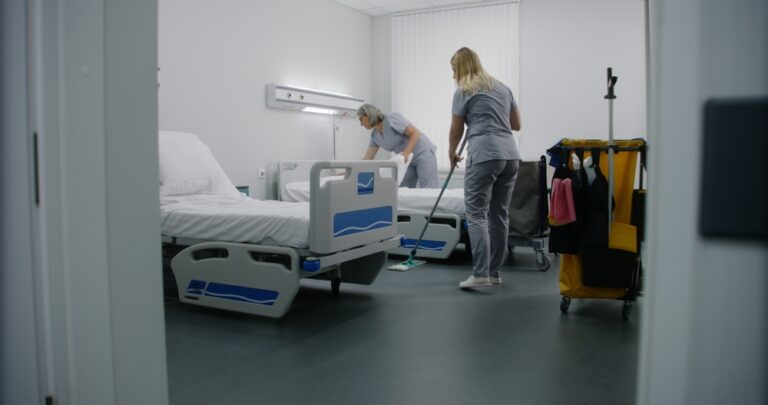
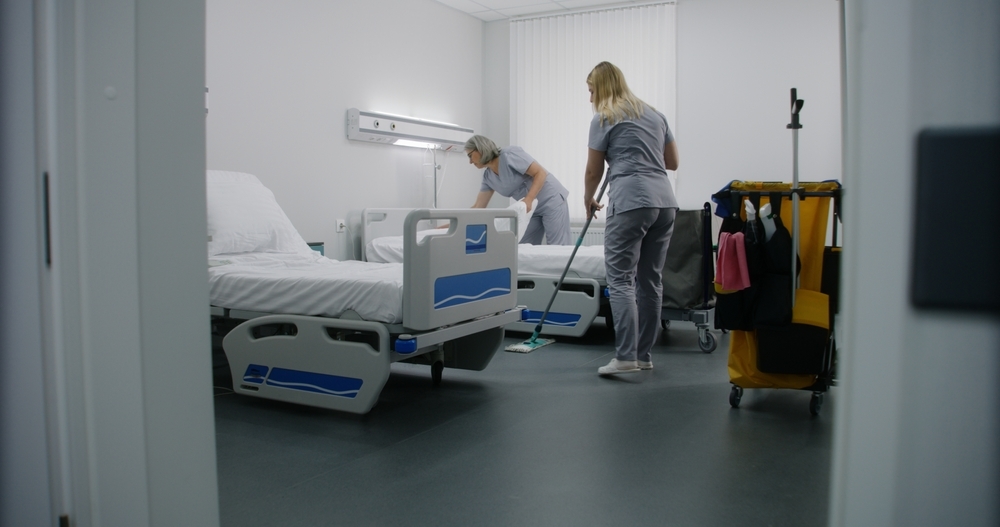
Surfaces like bed rails, doorknobs, light switches, and medical equipment are hotspots for pathogen transmission. Commercial cleaners use EPA-registered hospital-grade disinfectants to sanitize these areas thoroughly.
2. Adherence to Infection Control Protocols
Cleaning teams trained in healthcare sanitation follow strict protocols aligned with CDC, OSHA, and APIC guidelines. This includes proper use of PPE, color-coded cleaning tools, and detailed documentation.
3. Specialized Cleaning for Critical Areas
Operating rooms, ICUs, and isolation units require terminal cleaning and sometimes electrostatic disinfection to eliminate pathogens from all surfaces, including hard-to-reach areas.
4. Air Quality Management
Airborne pathogens contribute to HAIs. Commercial cleaning services help maintain HVAC systems, use HEPA-filter vacuums, and apply air purification strategies to reduce airborne contaminants.5. Consistent Cleaning Schedules
Regular cleaning and disinfection, daily, weekly, and post-procedure ensure that healthcare environments remain safe and compliant.
Benefits of Partnering with a Commercial Cleaning Company
Healthcare facilities face unique sanitation challenges. A specialized commercial cleaning partner offers:
- Expertise in healthcare cleaning standards
- Use of advanced equipment and disinfectants
- Flexible scheduling to minimize disruption
- Support for infection control audits and compliance
- Reduced risk of cross-contamination and HAIs
By outsourcing cleaning to professionals, healthcare providers can focus on patient care while ensuring a hygienic environment.
To request a quote from Total Maintenance Services, click here.
